Basics
What is saffron?
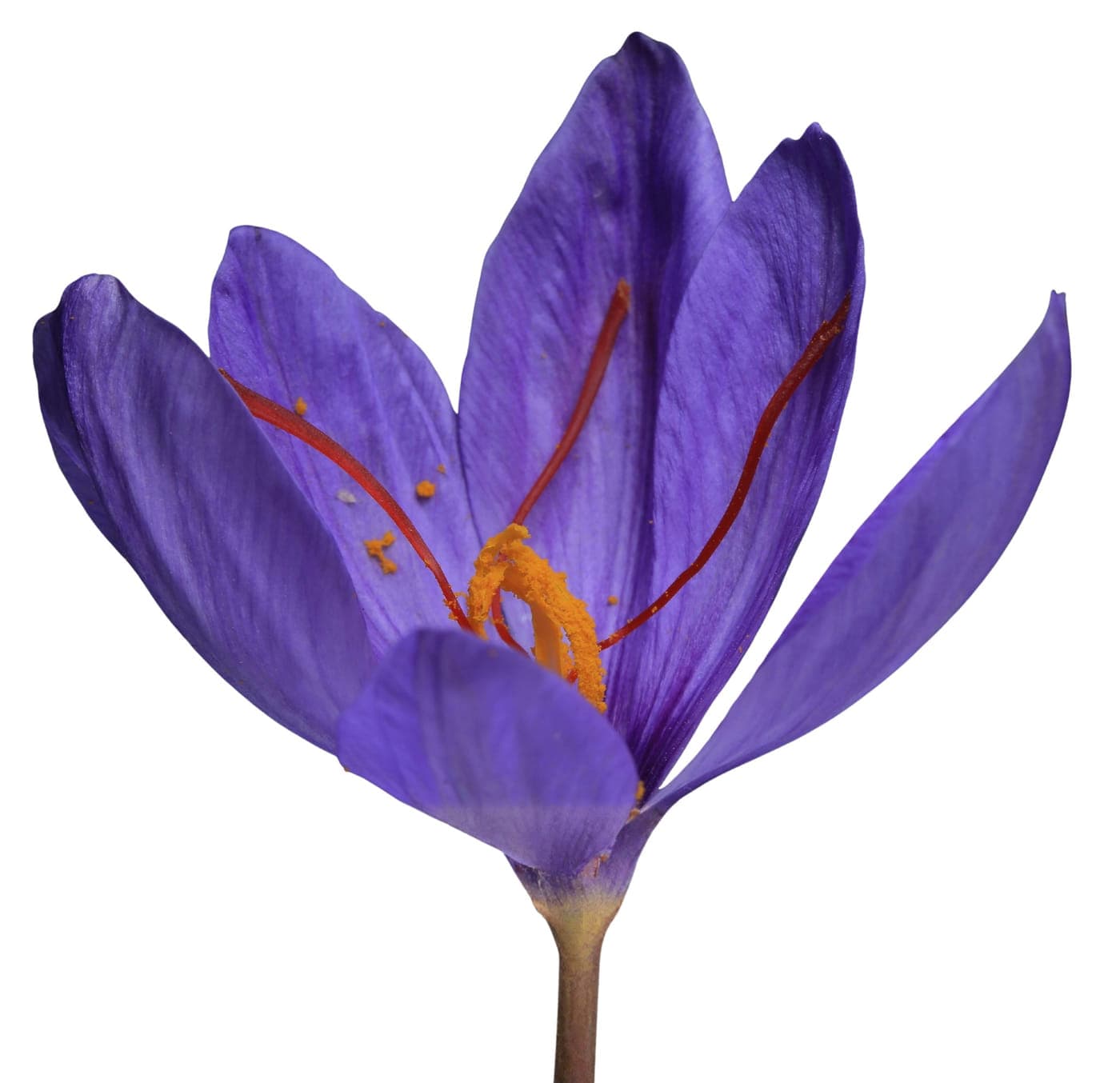
Saffron is the dried stigma of the Crocus sativus flower. Learn where it comes from and which natural compounds give it its colour, taste and aroma.
Read the article

Learn about saffron
Where saffron comes from, what gives it colour and aroma, how the grades differ, how to cook with it and store it, and what research does and does not show.
Basics
Saffron is the dried stigma of the Crocus sativus flower. Learn where it comes from and which natural compounds give it its colour, taste and aroma.
Read the article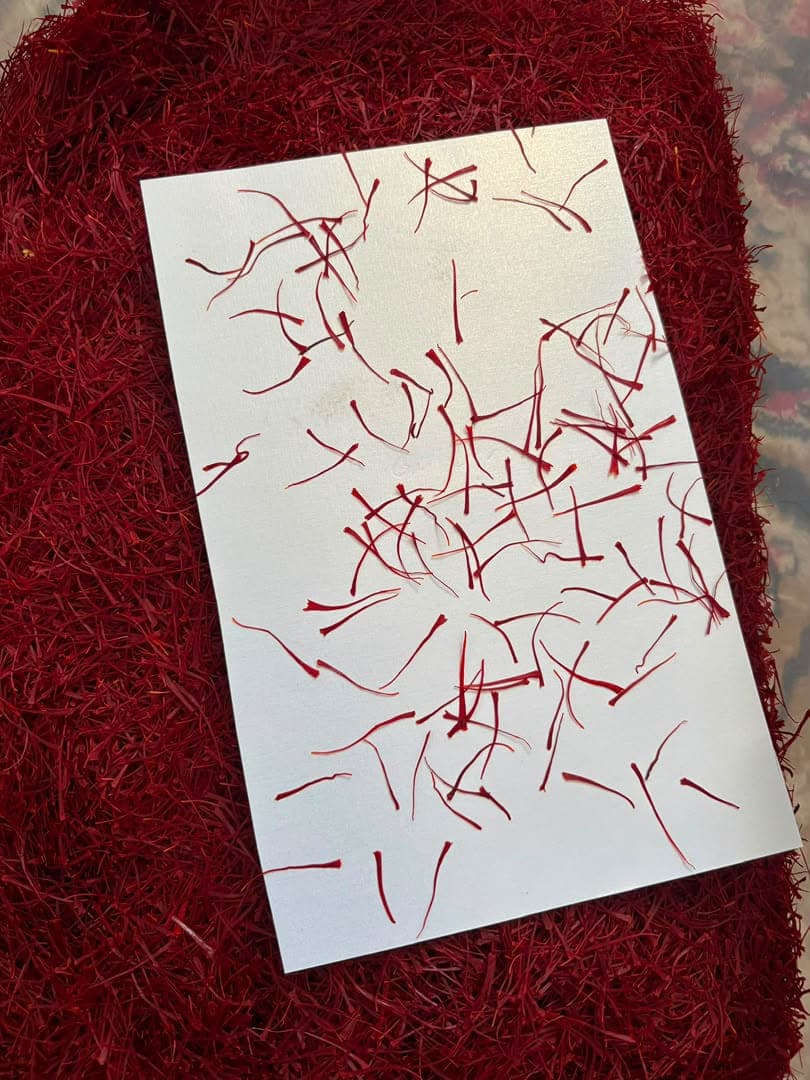
Grades
What the four common trade cuts mean, how they differ in appearance and use, and what grade names do not tell you.
Read the article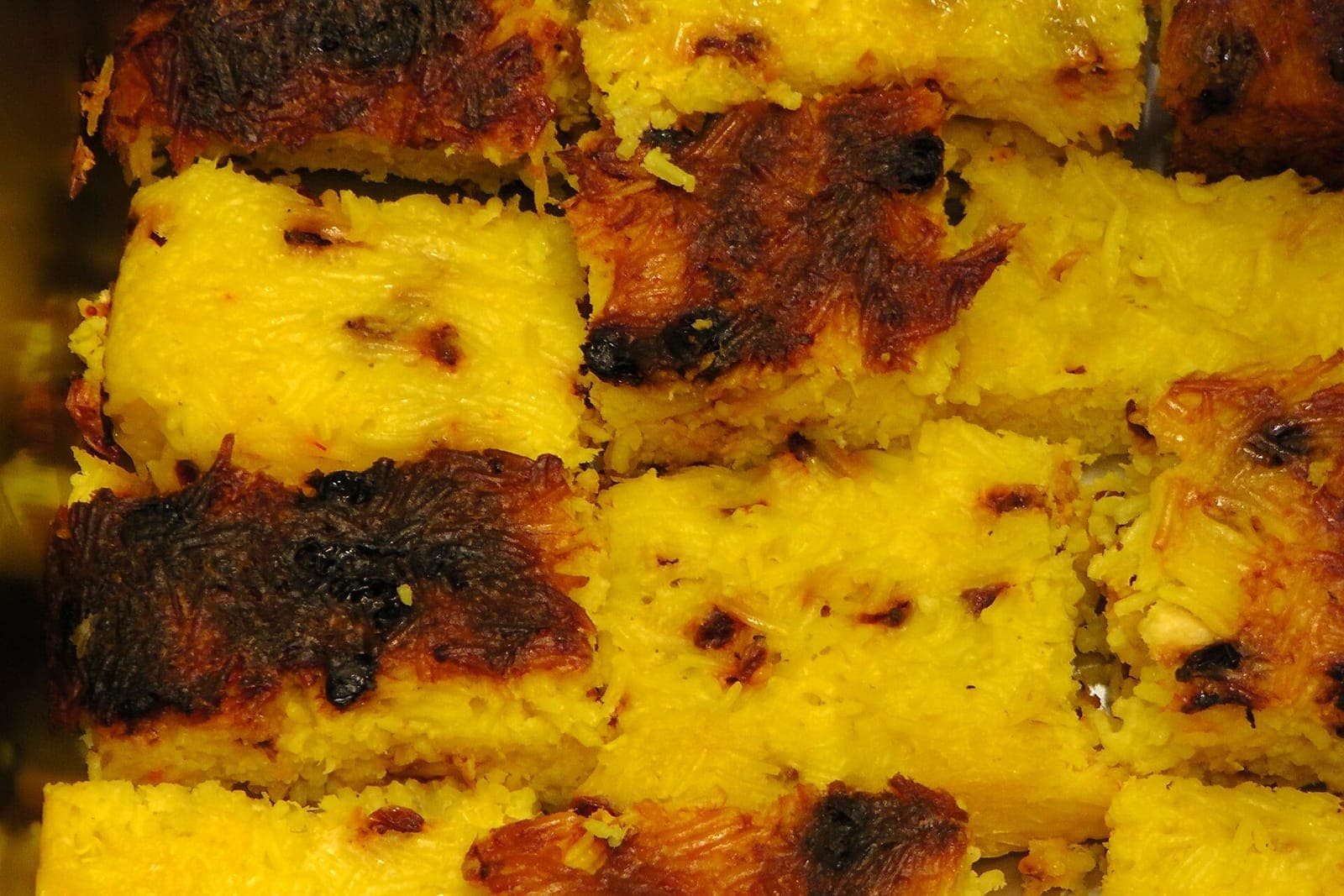
Cooking
How saffron is used in rice, pilaf and tahchin, stews, chicken, fish and soups, desserts, ice cream, baking and drinks, with a simple method to get the most from a few threads.
Read the article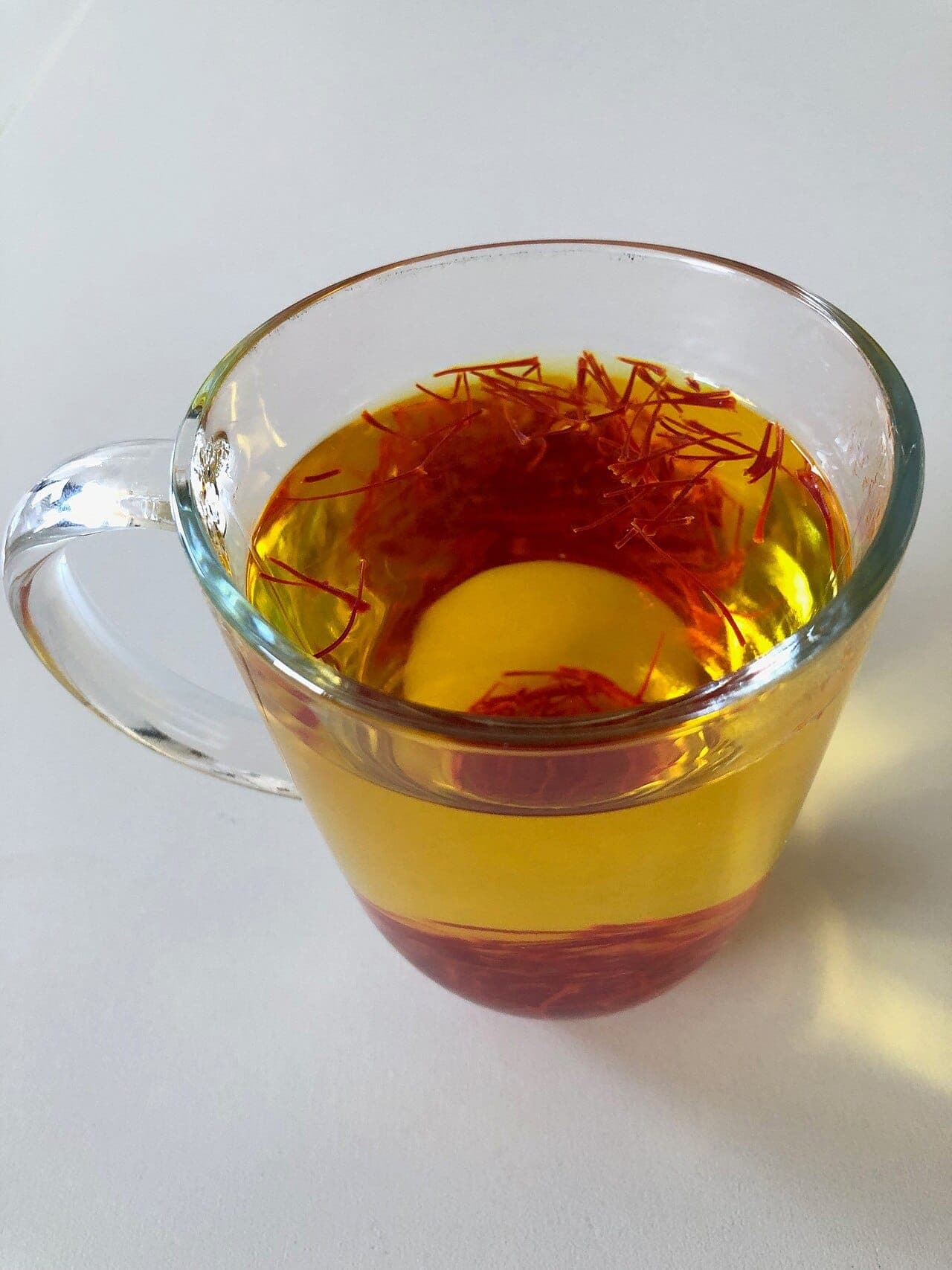
Preparation & storage
Simple steps to release saffron's colour and aroma, and how to store it so it keeps its character.
Read the article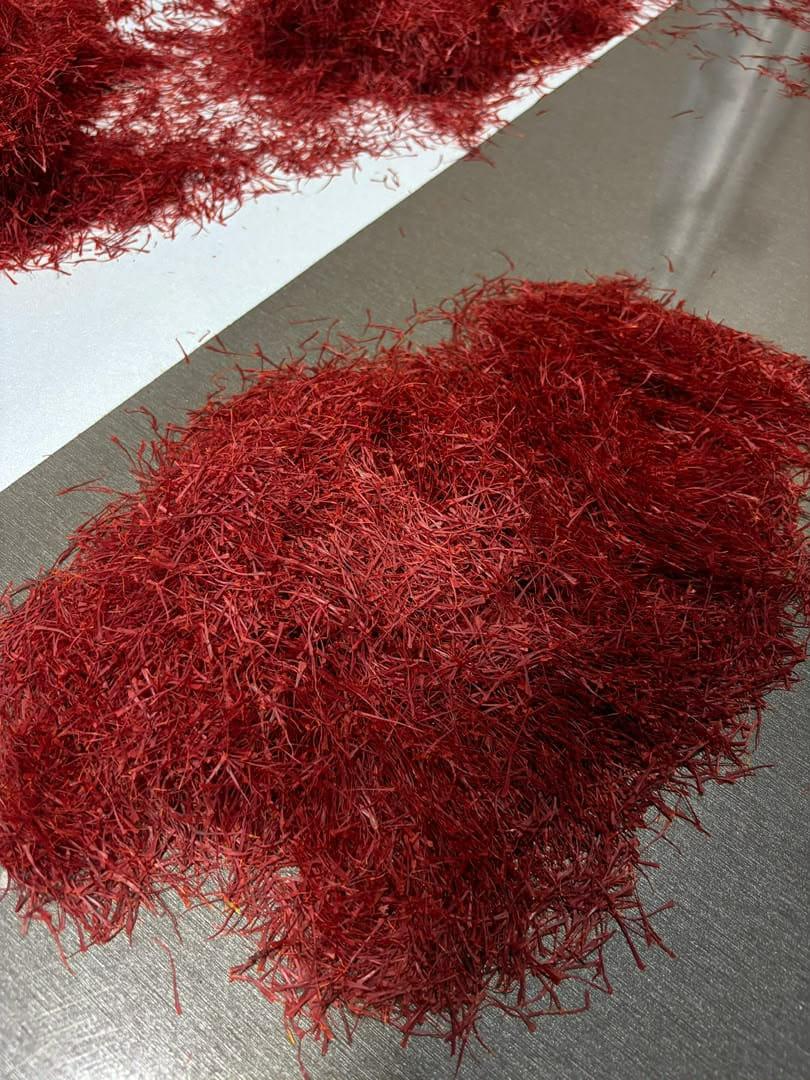
Research
Saffron has a long history in traditional medicine, and its compounds are being studied today. A careful summary of the research, and its limits.
Read the article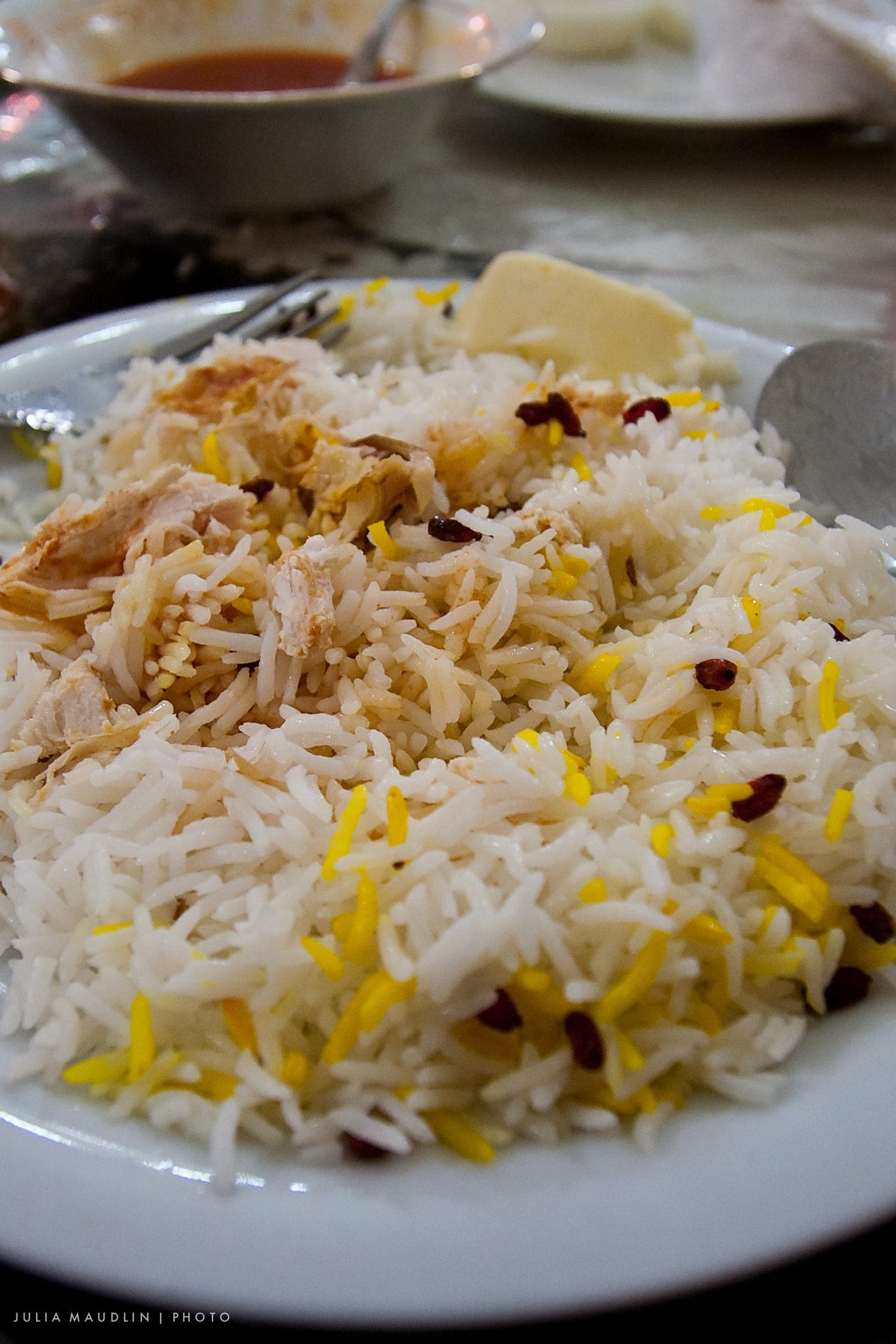
Safety
Saffron in cooking is very different from concentrated supplements or large amounts. What to know about side effects, pregnancy and medicines.
Read the articleFAQ
They are trade names for how saffron threads are cut and sorted. Super Negin and Negin are long, all-red threads with the style removed; Super Negin is the most strictly sorted. Sar Gul uses only the red tips, so threads are shorter. Pushal keeps a little of the paler style attached. Read our guide to saffron grades.
For gifts or dishes where the threads are seen, choose Super Negin or Negin. For everyday cooking and infusions, Sar Gul or Pushal offer good colour and value. If you are unsure, ask us and tell us how you will use it.
Each crocus flower has only three stigmas, and they are picked and separated by hand during a short autumn harvest. It takes a very large number of flowers to make a small amount of saffron.
Look for threads with a deep, even red colour and a fresh, strong aroma. In warm water, saffron releases its golden colour gradually. If anything about a product concerns you, ask the seller; we are happy to answer questions about ours.
Keep it in an airtight container, away from light, heat and moisture; a cool, dark cupboard is ideal. Keep it away from strong-smelling spices. See preparing and storing saffron.
Very little. A small pinch of threads, ground and steeped in warm water, is often enough to colour and scent rice for a family meal. Start small and adjust to taste next time.
Both work. Grinding a few threads with a pinch of sugar and steeping them in warm water releases colour and aroma more fully. Whole threads look beautiful scattered over a finished dish.
Saffron used in normal cooking amounts is a common food ingredient. Large amounts and concentrated supplements are different and can cause side effects. If you are pregnant or take regular medicines, speak to a doctor or pharmacist before using saffron supplements. Read saffron and safety.
Saffron has a long history in traditional medicine, and researchers are studying its compounds. However, most studies use standardised extracts or supplements rather than the amounts used in food, and saffron is not a treatment for any condition. Our research overview explains what is and is not known.
Our guide explains the differences between the four cuts. Or tell us how you will use the saffron and we will suggest one.