
“Natural” does not mean safe in any amount. Saffron is a normal food ingredient in the small quantities used in cooking, but large amounts and concentrated supplements are a different matter.
Saffron in cooking
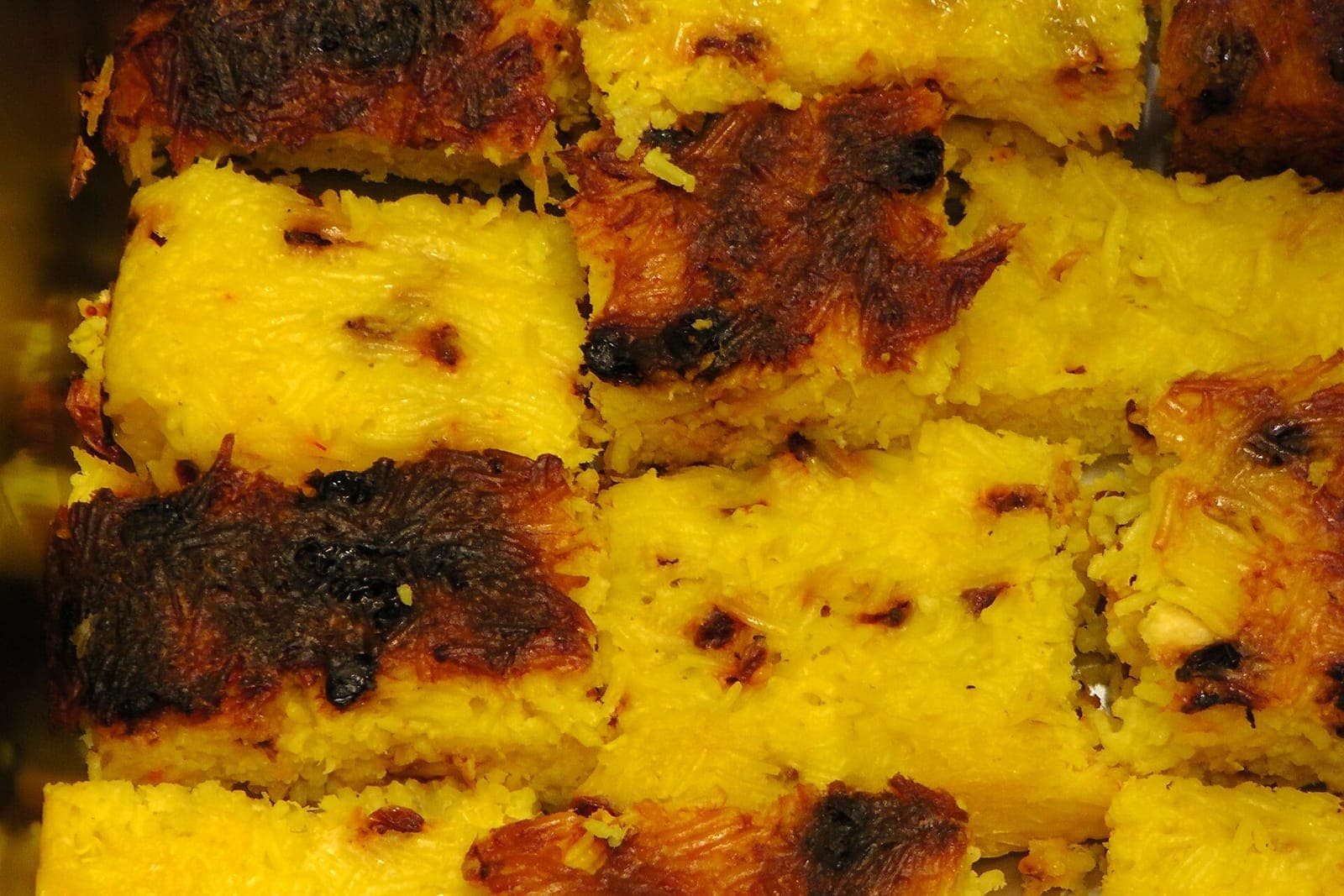
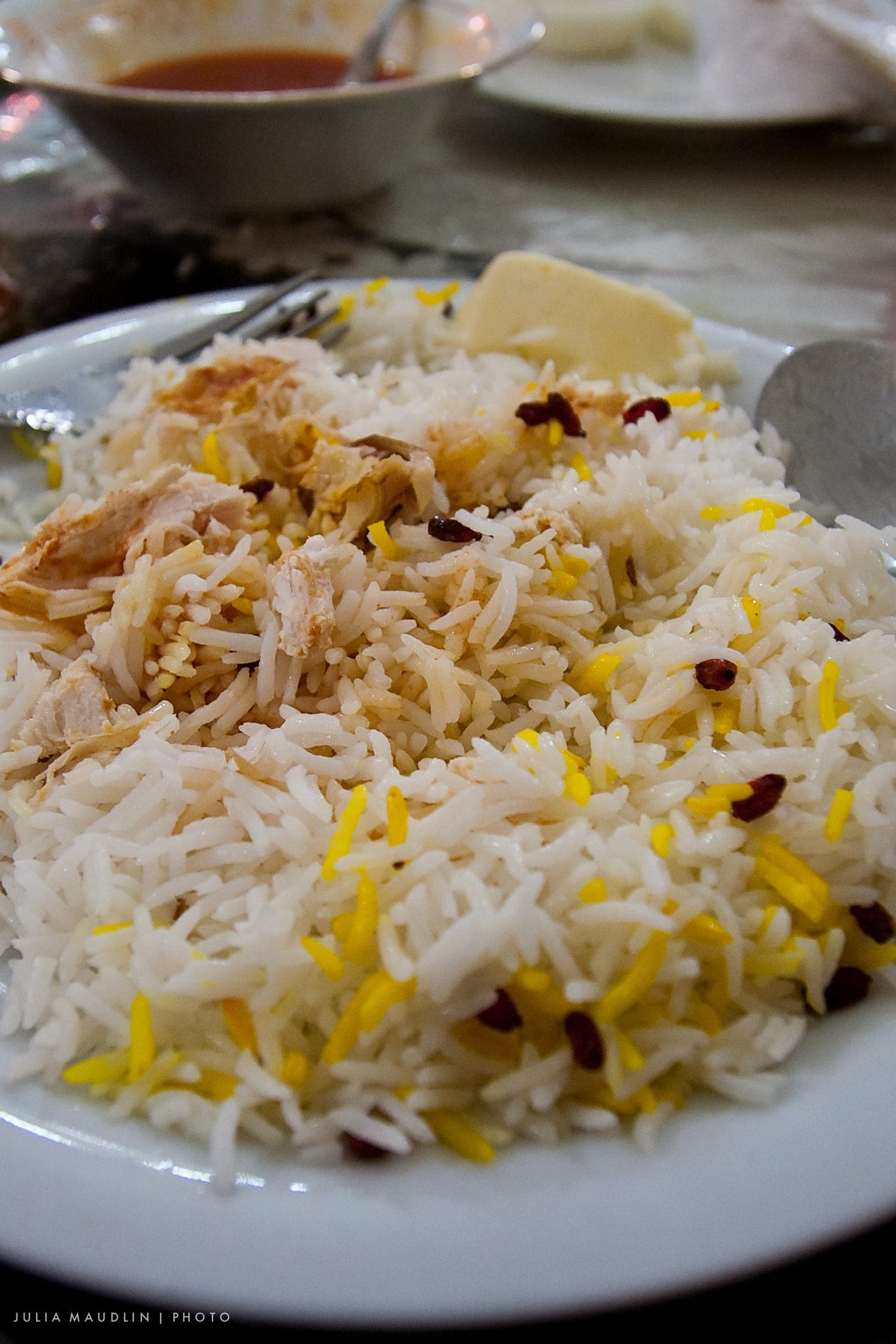
The amounts used to colour and flavour food are small. A 2017 review of saffron toxicology reported that saffron at the doses used in clinical studies, which are measured in milligrams a day, showed no significant toxicity.
Large amounts and concentrated supplements
Eating very large amounts of saffron, or taking concentrated supplements, is not the same as cooking with it. Toxicology reviews describe effects such as nausea, vomiting, diarrhoea and bleeding at high, gram-level doses, and very high doses can be dangerous.
In clinical trials of saffron supplements, side effects such as nausea, headache, dizziness and dry mouth were reported, although reviews found them generally uncommon and similar to placebo.
Pregnancy
Normal amounts used in food are not the same as high doses or supplements. A toxicology review notes that exposure to very high levels of saffron may increase the risk of miscarriage, and advises pregnant women to avoid high doses. A 2026 review of saffron in pregnancy found the evidence limited and inconclusive, with higher doses linked to stimulation of the womb.
If you are pregnant or breastfeeding, do not take saffron supplements or medicinal doses unless your doctor advises it.
If you take medicines
If you take regular medicines, particularly for blood pressure, blood sugar or medicines that affect blood clotting, speak to a doctor or pharmacist before using saffron supplements.
This caution reflects what studies have measured. In a small one-week safety study in healthy volunteers, the higher dose of saffron tablets lowered standing blood pressure and slightly changed some blood measurements, including platelets, although values stayed within normal ranges. Trials have also reported small reductions in fasting blood glucose with saffron supplements.
Key points
- Saffron in normal cooking amounts is a food ingredient.
- Large amounts and concentrated supplements can cause side effects, and very high doses can be dangerous.
- In pregnancy, avoid high doses and supplements unless your doctor advises otherwise.
- Check with a doctor or pharmacist before using supplements if you take regular medicines.
- Saffron is not a substitute for medical treatment.
Read more about saffron in tradition and research.
Sources
Links open external research summaries. Findings are summarised, not endorsed as treatment.
- Bostan HB, Mehri S, Hosseinzadeh H. Toxicology effects of saffron and its constituents: a review (opens in a new tab) · Iranian Journal of Basic Medical Sciences, 2017
- Alshdefat A, et al. Saffron and Pregnancy: Cultural Practices, Beliefs, and Safety Evidence: An Integrative Review (opens in a new tab) · Journal of Evidence-Based Integrative Medicine, 2026
- Modaghegh MH, et al. Safety evaluation of saffron (Crocus sativus) tablets in healthy volunteers (opens in a new tab) · Phytomedicine, 2008
- Avgerinos KI, et al. Effects of saffron (Crocus sativus L.) on cognitive function. A systematic review of RCTs (opens in a new tab) · Neurological Sciences, 2020
- Ayati Z, et al. Saffron for mild cognitive impairment and dementia: a systematic review and meta-analysis of randomised clinical trials (opens in a new tab) · BMC Complementary Medicine and Therapies, 2020
- Zamani M, et al. The effects of saffron supplementation on cardiovascular risk factors in adults: a systematic review and dose-response meta-analysis (opens in a new tab) · Frontiers in Nutrition, 2022