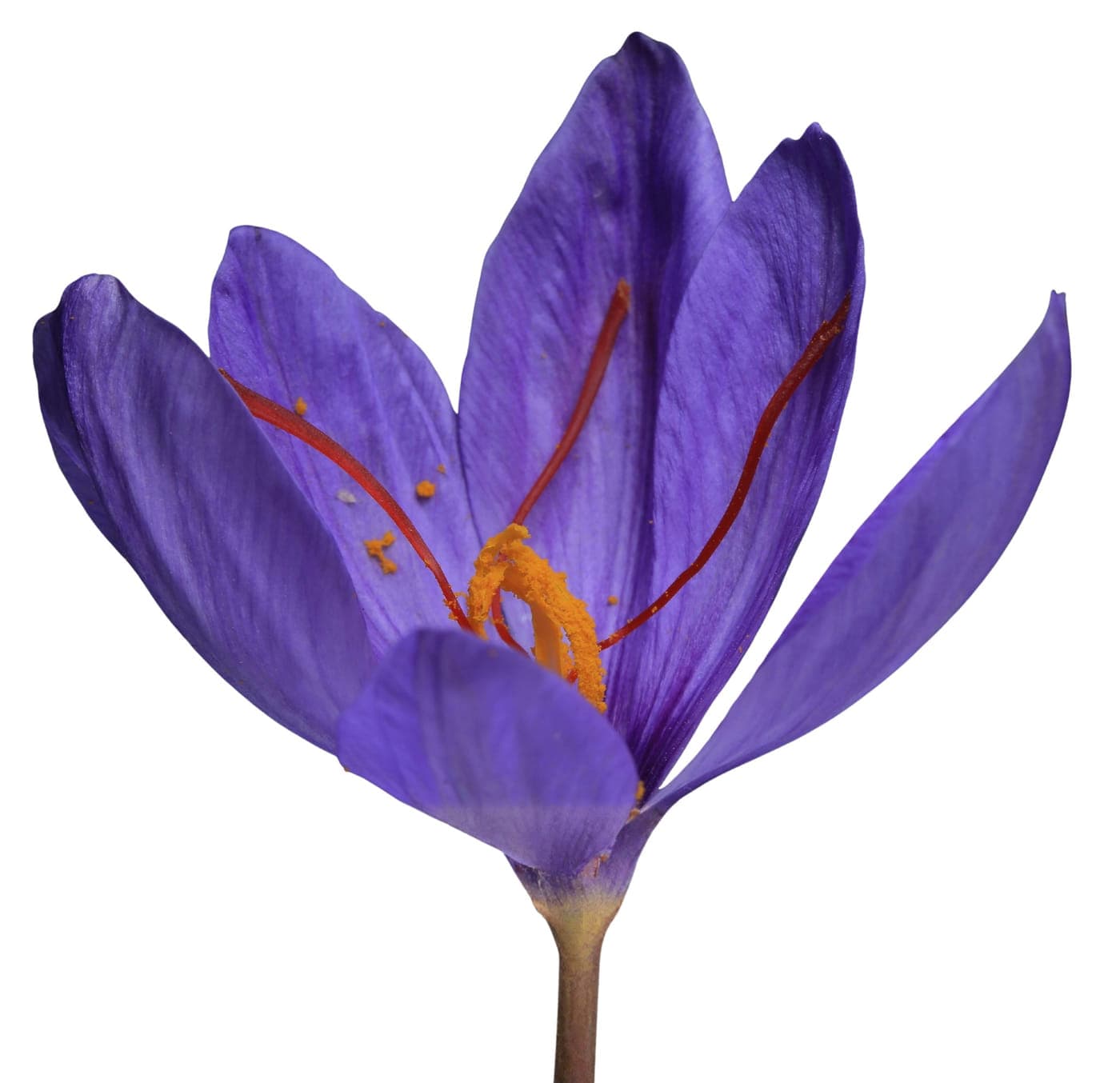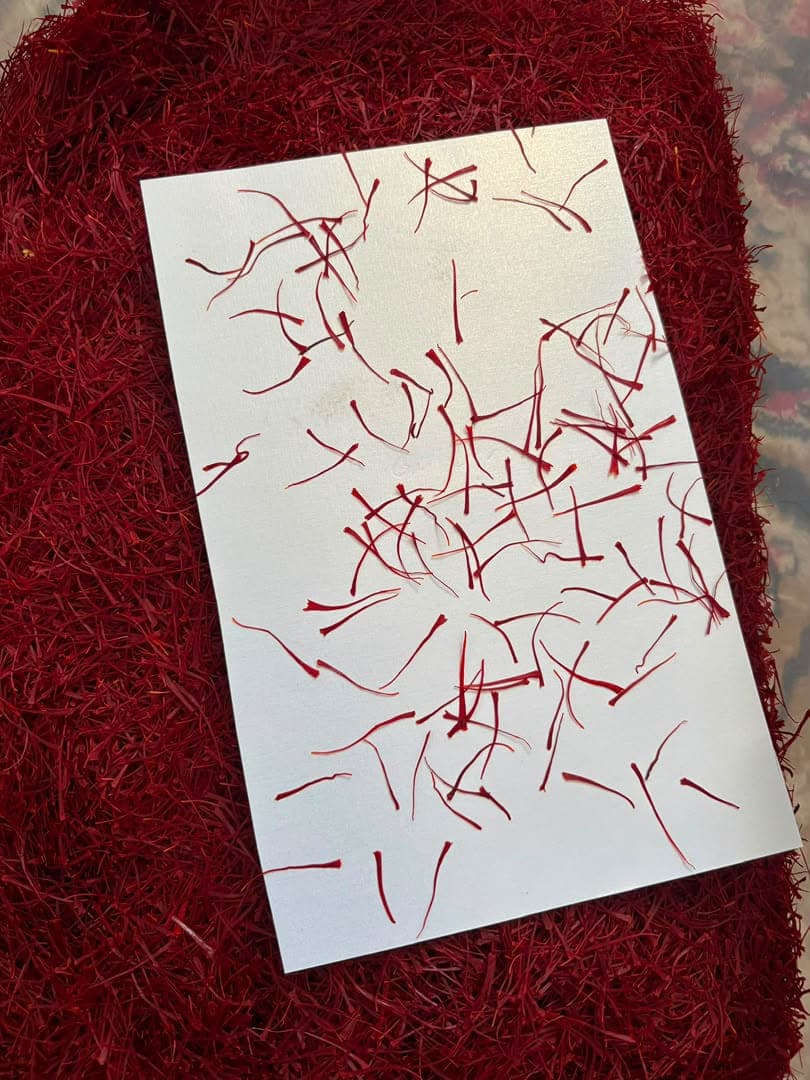

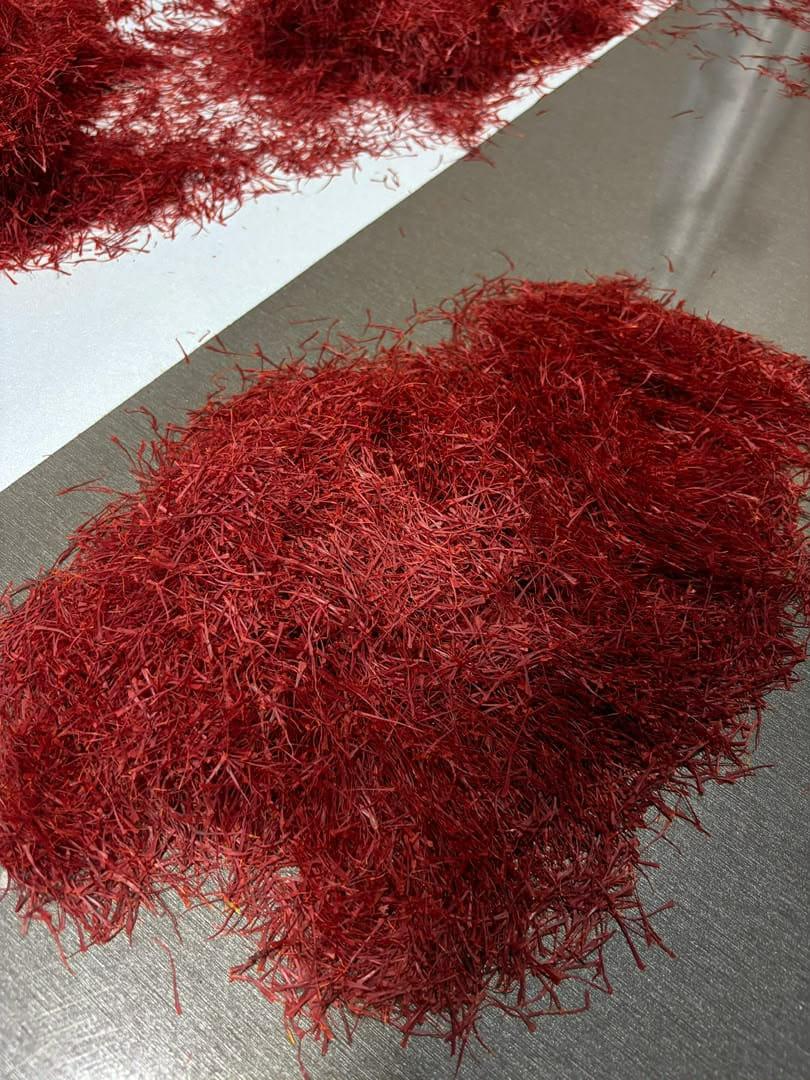
Saffron has been used in traditional medicine in many countries for centuries, for purposes ranging from mood and calm to digestion and appetite. Today, researchers study saffron and its compounds, especially crocin and safranal, in laboratory studies and clinical trials.
Mood and emotional well-being
Mood is the most-studied area. A 2026 systematic review and meta-analysis of 34 randomised controlled trials found that saffron supplements reduced self-reported symptoms of depression and anxiety in adults, and rated the certainty of the evidence as moderate. It found no significant effect on scales scored by clinicians, and the authors called for more high-quality trials. An earlier meta-analysis of trials in mild to moderate depression (2019) reported broadly similar results.
Saffron is not a substitute for prescribed treatment. Anyone with symptoms of depression or anxiety should speak to a qualified health professional.
Antioxidant activity
Crocin, crocetin and safranal show antioxidant activity in laboratory studies. A 2023 meta-analysis of randomised trials found that saffron supplements improved some blood markers of oxidative stress. A change in such markers does not, on its own, show a health benefit.
Eye and retinal health
Saffron has been studied in age-related macular degeneration (AMD). In a randomised, placebo-controlled crossover trial of 100 adults with mild to moderate AMD, three months of a daily saffron supplement produced a modest improvement in measures of visual function compared with placebo. A 2024 review concluded that saffron supplements may be a well-tolerated addition to AMD care, while noting that longer-term evidence is still needed. Saffron is not an established treatment for eye disease, and it does not replace care from an eye specialist.
Memory and cognition
Small trials have compared saffron supplements with placebo or standard medicines in people with mild cognitive impairment or mild to moderate Alzheimer's disease. A 2020 systematic review and meta-analysis found improvements in cognitive scores compared with placebo, but concluded that, with few high-quality studies, there is insufficient evidence to recommend saffron for clinical use. It cannot be said that saffron prevents Alzheimer's disease or cognitive decline.
Heart and blood vessels
A 2022 meta-analysis of 32 trials reported small reductions in some cardiovascular risk factors, such as blood lipids, fasting blood glucose and systolic blood pressure, in adults taking saffron supplements. These are modest changes in risk markers, mostly from short studies. Saffron should not be used as a heart medicine or as a treatment for high blood pressure.
Appetite and digestion
Saffron has traditionally been used for stomach complaints and poor appetite, but scientific evidence for these uses is limited.
Food or supplement?
A few threads in rice or tea are a food and a flavouring. Research findings come from concentrated, measured preparations, so it cannot be assumed that eating more saffron in food would have the same effects. Before considering any supplement, read saffron and safety and talk to a doctor or pharmacist.
Sources
Links open external research summaries. Findings are summarised, not endorsed as treatment.
- Hosseinzadeh H. Saffron: a herbal medicine of third millennium (opens in a new tab) · Jundishapur Journal of Natural Pharmaceutical Products, 2014
- Mahmoudi R, et al. Effect of saffron on depression, anxiety and mood disorder: a GRADE assessed systematic review and meta-analysis of 34 randomized controlled trials (opens in a new tab) · Nutritional Neuroscience, 2026
- Tóth B, et al. The Efficacy of Saffron in the Treatment of Mild to Moderate Depression: A Meta-analysis (opens in a new tab) · Planta Medica, 2019
- Rahaiee S, et al. Evaluation of antioxidant activities of bioactive compounds and various extracts obtained from saffron (Crocus sativus L.): a review (opens in a new tab) · Journal of Food Science and Technology, 2015
- Abedi A, et al. Effect of saffron supplementation on oxidative stress markers: an updated systematic review and meta-analysis of randomized placebo-controlled trials (opens in a new tab) · Frontiers in Medicine, 2023
- Broadhead GK, et al. Saffron therapy for the treatment of mild/moderate age-related macular degeneration: a randomised clinical trial (opens in a new tab) · Graefe's Archive for Clinical and Experimental Ophthalmology, 2019
- Shamabadi A, et al. Crocus sativus (saffron) and age-related macular degeneration (opens in a new tab) · Medical Hypothesis, Discovery and Innovation in Ophthalmology, 2024
- Ayati Z, et al. Saffron for mild cognitive impairment and dementia: a systematic review and meta-analysis of randomised clinical trials (opens in a new tab) · BMC Complementary Medicine and Therapies, 2020
- Zamani M, et al. The effects of saffron supplementation on cardiovascular risk factors in adults: a systematic review and dose-response meta-analysis (opens in a new tab) · Frontiers in Nutrition, 2022